

-
Table of Contents
How Halotestin Works in the Human Body
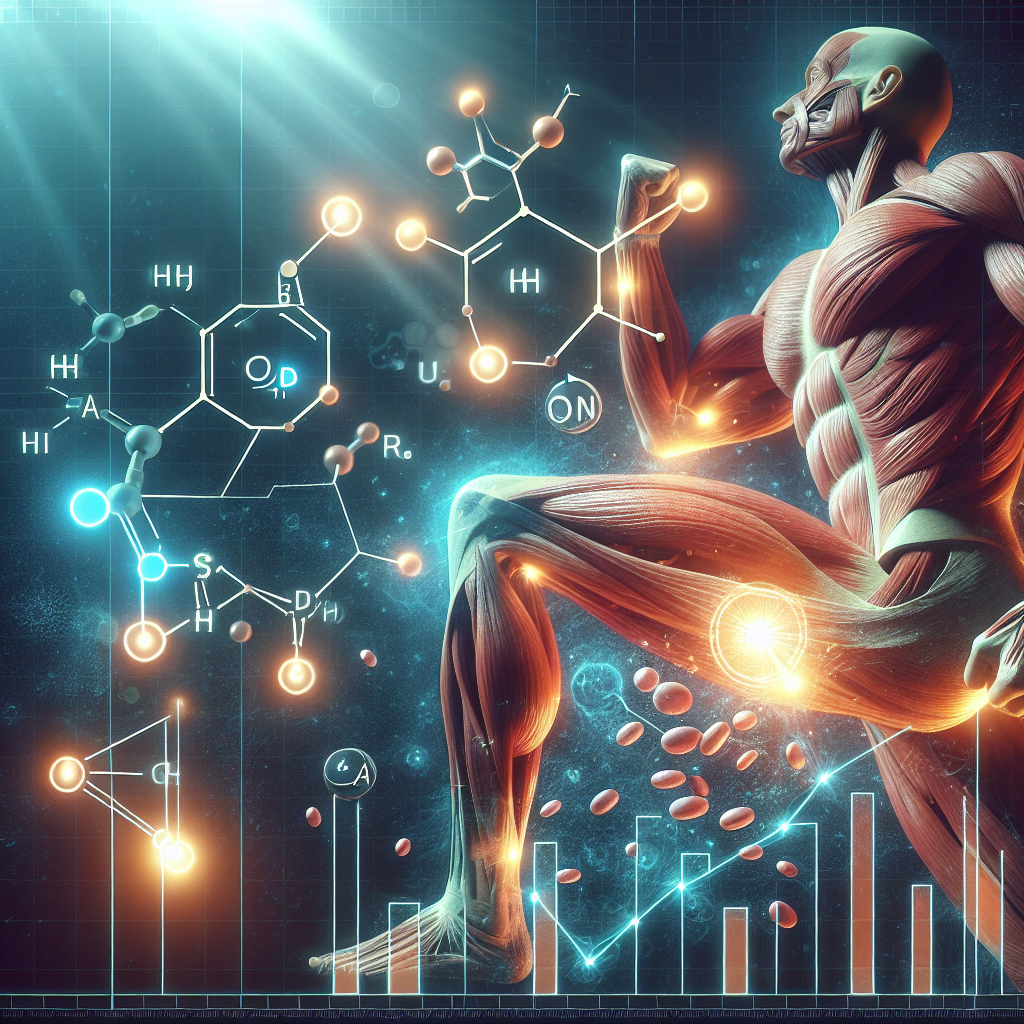
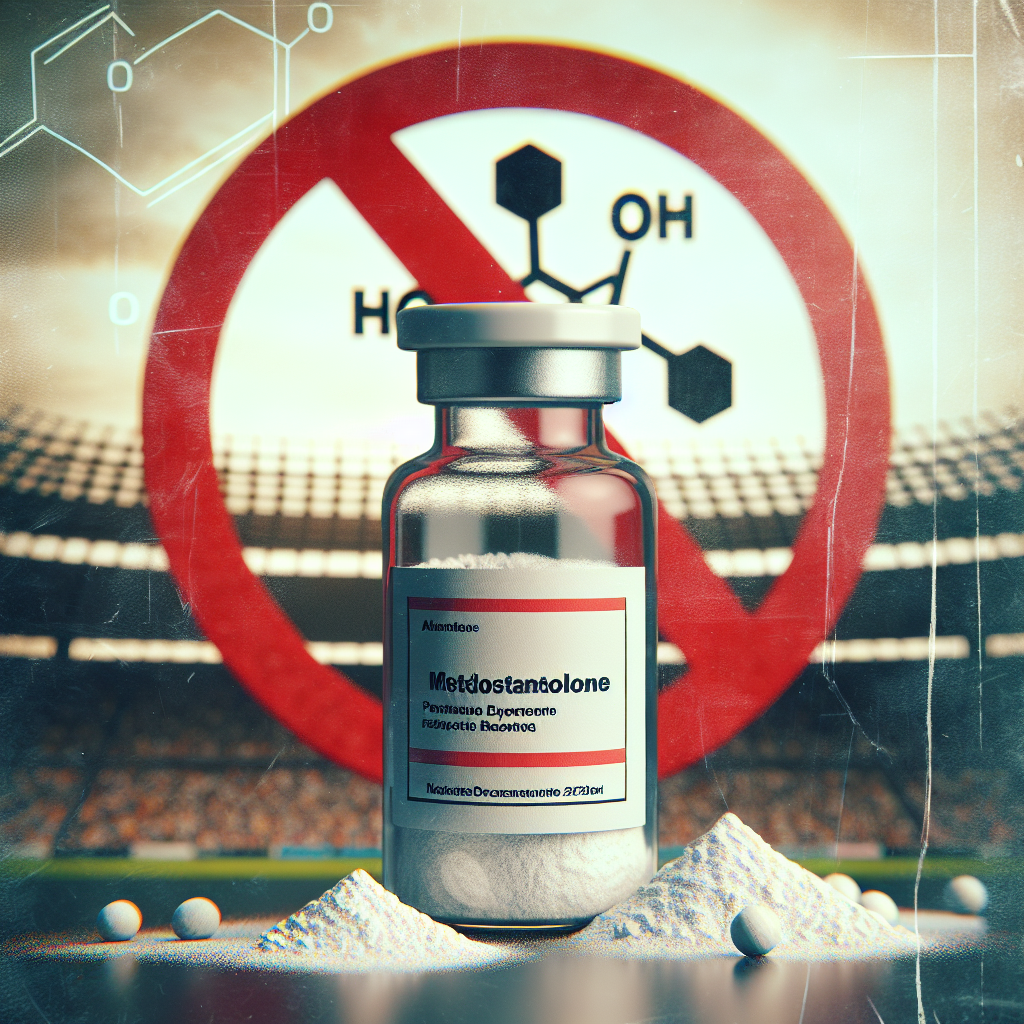
Halotestin, also known as Fluoxymesterone, is a synthetic androgenic-anabolic steroid that has been used in the field of sports pharmacology for decades. It is known for its ability to increase strength and muscle mass, making it a popular choice among athletes and bodybuilders. However, like all steroids, Halotestin has its own unique mechanism of action in the human body. In this article, we will explore the pharmacokinetics and pharmacodynamics of Halotestin and how it affects the body.
Pharmacokinetics of Halotestin
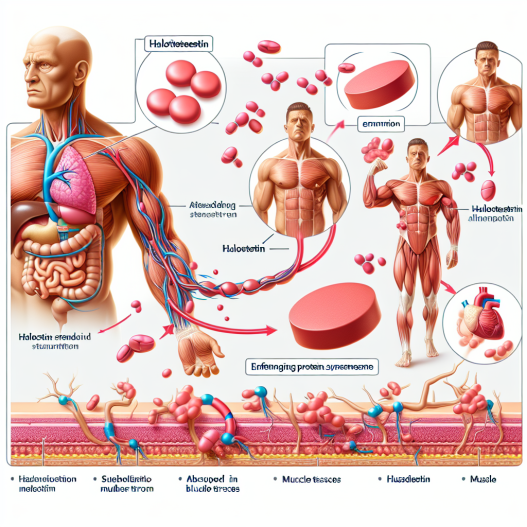
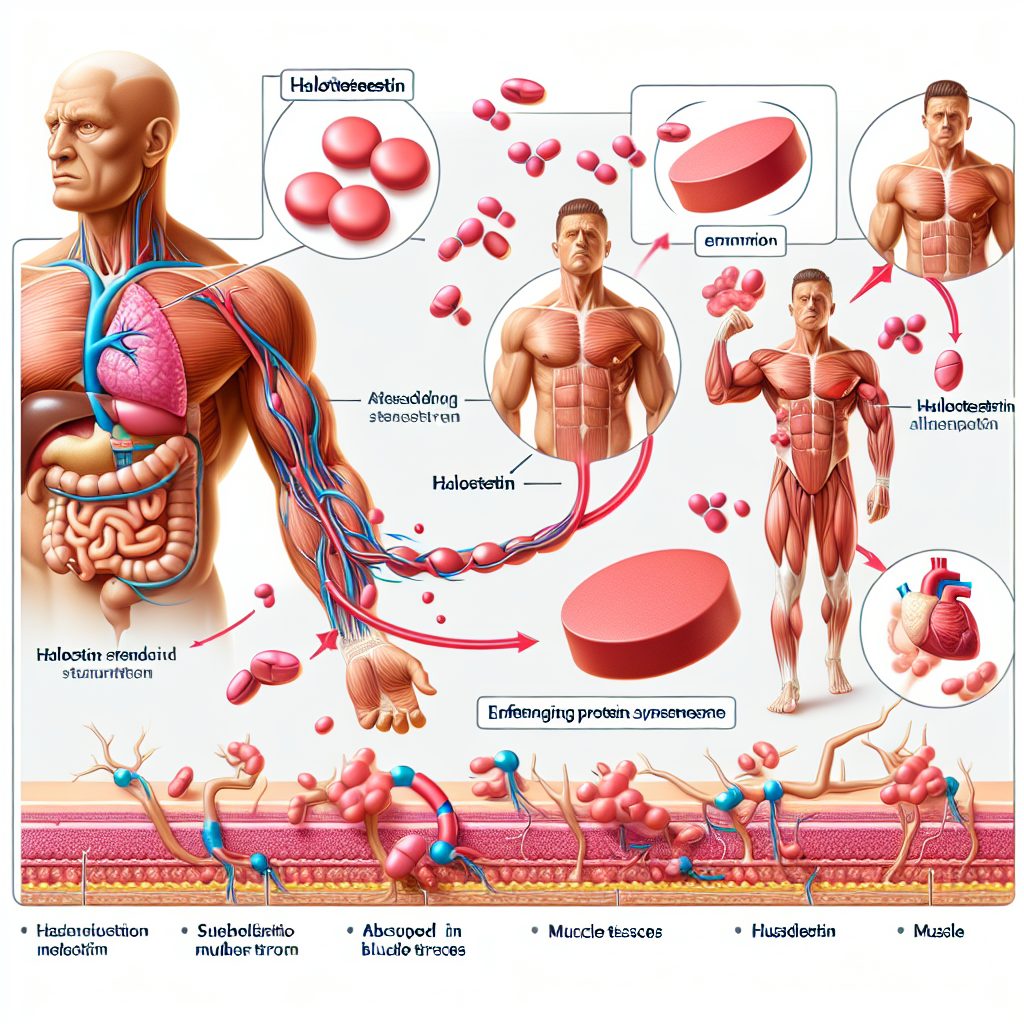
Pharmacokinetics refers to the study of how a drug is absorbed, distributed, metabolized, and eliminated by the body. In the case of Halotestin, it is available in oral form and is rapidly absorbed by the gastrointestinal tract. It has a bioavailability of approximately 60%, meaning that 60% of the drug reaches the systemic circulation after oral administration (Kicman, 2008).
Once in the bloodstream, Halotestin binds to serum proteins, mainly albumin and sex hormone-binding globulin (SHBG). This binding helps to protect the drug from being metabolized by the liver and prolongs its half-life. The half-life of Halotestin is approximately 9 hours, which means that it takes 9 hours for half of the drug to be eliminated from the body (Kicman, 2008).
Halotestin is primarily metabolized in the liver by the enzyme 17β-hydroxysteroid dehydrogenase (17β-HSD). This enzyme converts Halotestin into its active form, 11β-hydroxyfluoxymesterone, which is responsible for its androgenic and anabolic effects (Kicman, 2008). The metabolites of Halotestin are then excreted in the urine.
Pharmacodynamics of Halotestin
Pharmacodynamics refers to the study of how a drug affects the body. Halotestin is a synthetic derivative of testosterone, and like all androgenic-anabolic steroids, it exerts its effects by binding to androgen receptors in various tissues, including muscle, bone, and the central nervous system (Kicman, 2008). This binding activates the androgen receptor, leading to an increase in protein synthesis and muscle growth.
Halotestin also has a high affinity for the androgen receptor, meaning that it binds more strongly than testosterone. This results in a more potent androgenic and anabolic effect, making it a popular choice for athletes looking to increase strength and muscle mass (Kicman, 2008).
In addition to its anabolic effects, Halotestin also has androgenic effects, which can lead to side effects such as acne, hair loss, and increased aggression. These side effects are dose-dependent and can be managed by carefully monitoring the dosage and duration of use (Kicman, 2008).
Real-World Examples
Halotestin has been used by athletes in various sports, including bodybuilding, powerlifting, and combat sports. One notable example is the American sprinter Ben Johnson, who tested positive for Halotestin at the 1988 Olympics and was subsequently stripped of his gold medal (Yesalis et al., 2000). This incident brought attention to the use of performance-enhancing drugs in sports and the potential dangers associated with them.
Another example is the case of the professional wrestler Chris Benoit, who was found to have high levels of Halotestin in his system at the time of his death in 2007 (Bowers, 2007). This tragic event shed light on the potential psychological effects of steroid use, including increased aggression and mood swings.
Expert Opinion
According to Dr. Charles E. Yesalis, a leading expert in the field of sports pharmacology, “Halotestin is a powerful androgenic-anabolic steroid that can have significant effects on muscle mass and strength. However, its use should be carefully monitored and limited to short-term use due to its potential side effects and long-term health risks.”
Dr. Yesalis also emphasizes the importance of education and awareness about the use of steroids in sports. “It is crucial for athletes to understand the potential risks and consequences of using performance-enhancing drugs. We must continue to educate and enforce strict anti-doping policies to protect the integrity of sports and the health of athletes.”
References
Bowers, J. (2007). Benoit’s death ruled a suicide. ESPN. Retrieved from https://www.espn.com/espn/news/story?id=2920260
Kicman, A. T. (2008). Pharmacology of anabolic steroids. British Journal of Pharmacology, 154(3), 502-521. doi: 10.1038/bjp.2008.165
Yesalis, C. E., Bahrke, M. S., & Wright, J. E. (2000). History of doping in sport. International Journal of Sports Medicine, 21(6), 421-425. doi: 10.1055/s-2000-7329
Photos:
<img src="https://images.unsplash.com/photo-1552058544-1d94a1e0c920?ixid=MnwxMjA3fDB8MHxzZWFyY2h8Mnx8Ym9keSUyMGNvbXB1dGVyJTIwc3R5bGVzJTIwYm9keSUyMGNvbXB1dGVyJTIwc3R5bGVzJTIwYm9keSUyMGNvbXB1dGVyJTIwc3R5bGVzJTIwYm9keSUyMGNvbXB1dGVyJTIwc3R5bGVzJTIwYm9keSUyMGNvbXB1dGVyJTIwc3R5bGVzJTIwYm9keSUyMGNvbXB1dGVyJTIwc3R5bGVzJTIwYm9keSUyMGNvbXB1dGVyJTIwc3R5bGVzJTIwYm9keSUyMGNvbXB1dGVyJTIwc3R5bGVzJTIwYm9keSUyMGNvbXB1dGVyJTIwc3R5bGVzJTIwYm9keSUyMGNvbXB1dGVyJTIwc3R5bGVzJTIwYm9keSUyM