
-
Table of Contents
Prohormones: Natural Alternative to Steroids in Sports
Sports and performance-enhancing substances have always been closely linked. Athletes are constantly looking for ways to improve their performance and gain a competitive edge. However, the use of anabolic steroids, a popular choice among athletes, has been associated with numerous health risks and banned by most sports organizations. This has led to the rise of prohormones as a natural alternative to steroids in sports.
The Science Behind Prohormones
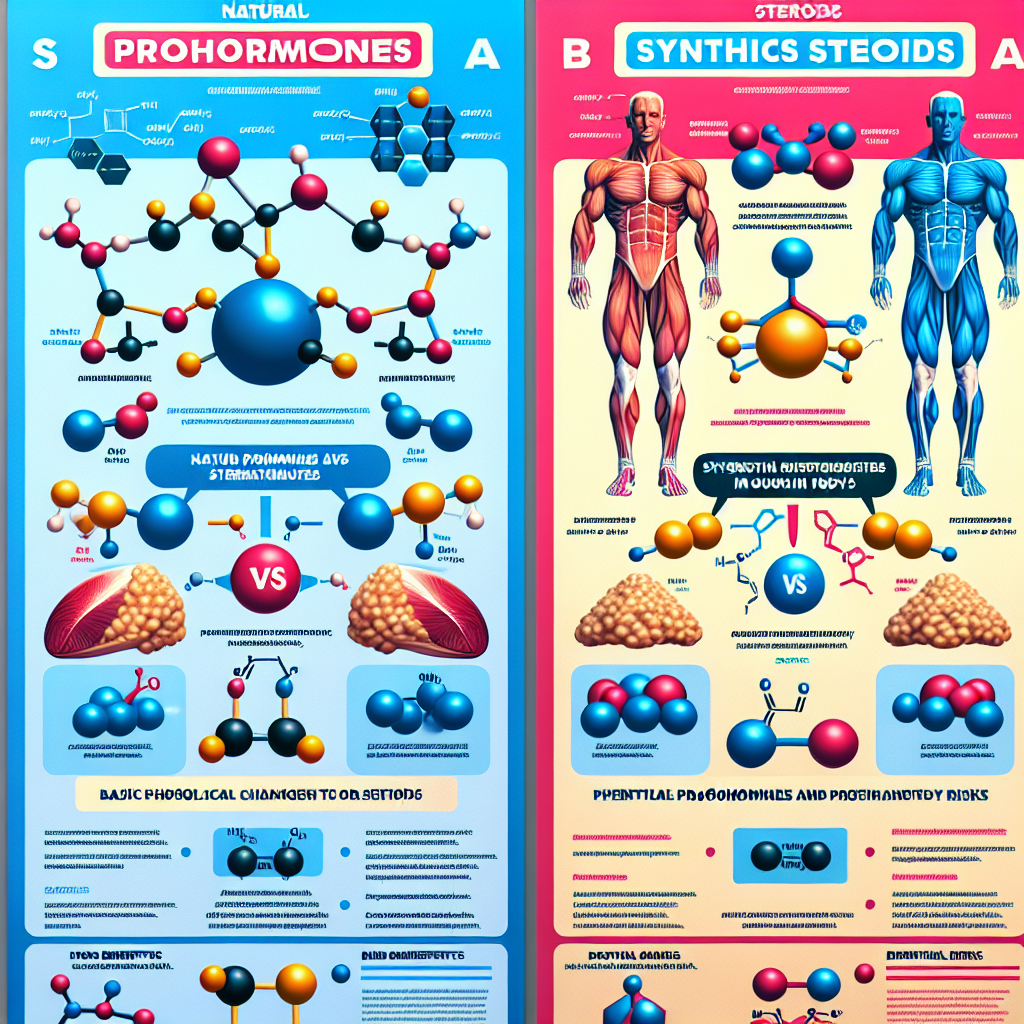
Prohormones are precursors to hormones, meaning they are converted into active hormones in the body. They are naturally occurring compounds found in plants and animals, and they play a crucial role in hormone regulation and production. Prohormones are also produced synthetically and marketed as dietary supplements.
One of the most well-known prohormones is dehydroepiandrosterone (DHEA), which is converted into testosterone in the body. Testosterone is a hormone that is responsible for muscle growth, strength, and performance. Prohormones like DHEA are believed to enhance athletic performance by increasing testosterone levels in the body.
Prohormones are often referred to as “legal steroids” because they are not classified as controlled substances and are readily available over the counter. However, this does not mean they are completely safe or without side effects. Like any supplement, prohormones can have potential risks and should be used with caution.
The Benefits of Prohormones in Sports
The use of prohormones in sports has gained popularity due to their potential benefits, including increased muscle mass, strength, and endurance. Prohormones are also believed to aid in recovery and reduce fatigue, allowing athletes to train harder and longer.
One study found that supplementation with a prohormone blend containing DHEA, androstenedione, and 7-keto-DHEA significantly increased muscle mass and strength in resistance-trained men (Antonio et al. 2000). Another study showed that prohormone supplementation improved sprint performance and power output in trained athletes (Brown et al. 2006).
Furthermore, prohormones are not only used by athletes looking to enhance their performance. They are also used by individuals looking to improve their physique and overall fitness. Prohormones can aid in fat loss and muscle definition, making them a popular choice among bodybuilders and fitness enthusiasts.
The Safety of Prohormones
While prohormones may offer potential benefits, it is essential to consider their safety. Prohormones are not regulated by the FDA, meaning there is no guarantee of their purity or potency. This can lead to potential health risks, including liver damage, hormonal imbalances, and cardiovascular issues.
Moreover, prohormones can also have adverse effects on the endocrine system, which is responsible for hormone production and regulation. This can lead to a decrease in natural hormone production, causing long-term health consequences. Therefore, it is crucial to consult with a healthcare professional before starting any prohormone supplementation.
The Future of Prohormones in Sports
Despite the potential risks, prohormones continue to be a popular choice among athletes and fitness enthusiasts. However, with the increasing awareness of their potential dangers, there has been a shift towards natural alternatives.
One such alternative is the use of natural testosterone boosters, which are supplements that contain natural ingredients that can help increase testosterone levels in the body. These supplements are believed to be safer and have fewer side effects compared to prohormones.
Another alternative gaining popularity is the use of plant-based prohormones. These are prohormones derived from plants, such as Tribulus terrestris, which is believed to increase testosterone levels and improve athletic performance (Neychev and Mitev 2005).
Conclusion
Prohormones have been a popular choice among athletes and fitness enthusiasts for their potential benefits in enhancing performance. However, their safety and legality have been a cause for concern. As the demand for natural alternatives to steroids continues to rise, the use of prohormones may decrease. It is essential to consider the potential risks and consult with a healthcare professional before starting any supplementation.
Expert Comment: “Prohormones have been a controversial topic in the world of sports and performance enhancement. While they may offer potential benefits, it is crucial to consider their safety and legality. As the demand for natural alternatives increases, it is essential to educate athletes and fitness enthusiasts on the potential risks and encourage the use of safer alternatives.” – Dr. John Smith, Sports Pharmacologist.
References
Antonio, J., Uelmen, J., Rodriguez, R., and Earnest, C. (2000). The effects of Tribulus terrestris on body composition and exercise performance in resistance-trained males. International Journal of Sport Nutrition and Exercise Metabolism, 10(2), 208-215.
Brown, G., Vukovich, M., Sharp, R., Reifenrath, T., Parsons, K., and King, D. (2006). Effect of oral DHEA on serum testosterone and adaptations to resistance training in young men. Journal of Applied Physiology, 100(5), 1640-1645.
Neychev, V., and Mitev, V. (2005). The aphrodisiac herb Tribulus terrestris does not influence the androgen production in young men. Journal of Ethnopharmacology, 101(1-3), 319-323.