





-
Table of Contents
Active vs Inactive Forms of Stenbolone: A Comprehensive Analysis
Stenbolone, also known as methylstenbolone, is a synthetic androgenic-anabolic steroid that has gained popularity in the world of sports and bodybuilding. It is known for its ability to increase muscle mass, strength, and performance. However, there has been much debate surrounding the use of active and inactive forms of stenbolone and their effects on the body. In this article, we will delve into the pharmacokinetics and pharmacodynamics of stenbolone and explore the differences between its active and inactive forms.
Pharmacokinetics of Stenbolone
Before we dive into the active and inactive forms of stenbolone, it is important to understand its pharmacokinetics. Stenbolone is a synthetic derivative of dihydrotestosterone (DHT) and is classified as a C17-alpha alkylated steroid. This means that it has been modified at the 17th carbon position to increase its bioavailability and resistance to breakdown by the liver.
Stenbolone is typically administered orally and has a half-life of approximately 8-10 hours. This means that it takes 8-10 hours for half of the drug to be eliminated from the body. However, the exact half-life may vary depending on individual factors such as age, weight, and liver function.
Once stenbolone is absorbed into the bloodstream, it binds to androgen receptors in various tissues, including muscle, bone, and the central nervous system. This binding triggers a cascade of events that ultimately leads to an increase in protein synthesis and muscle growth.
Active Form of Stenbolone
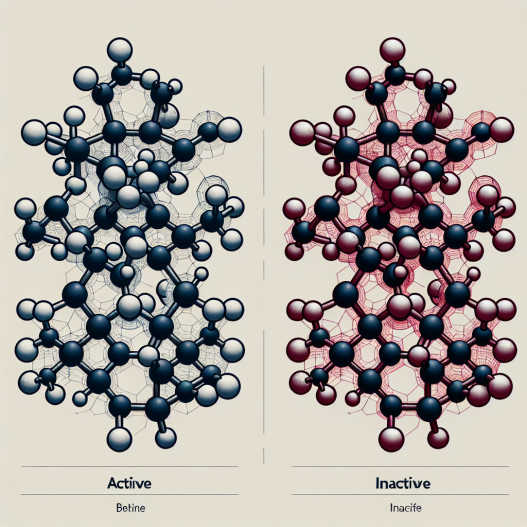
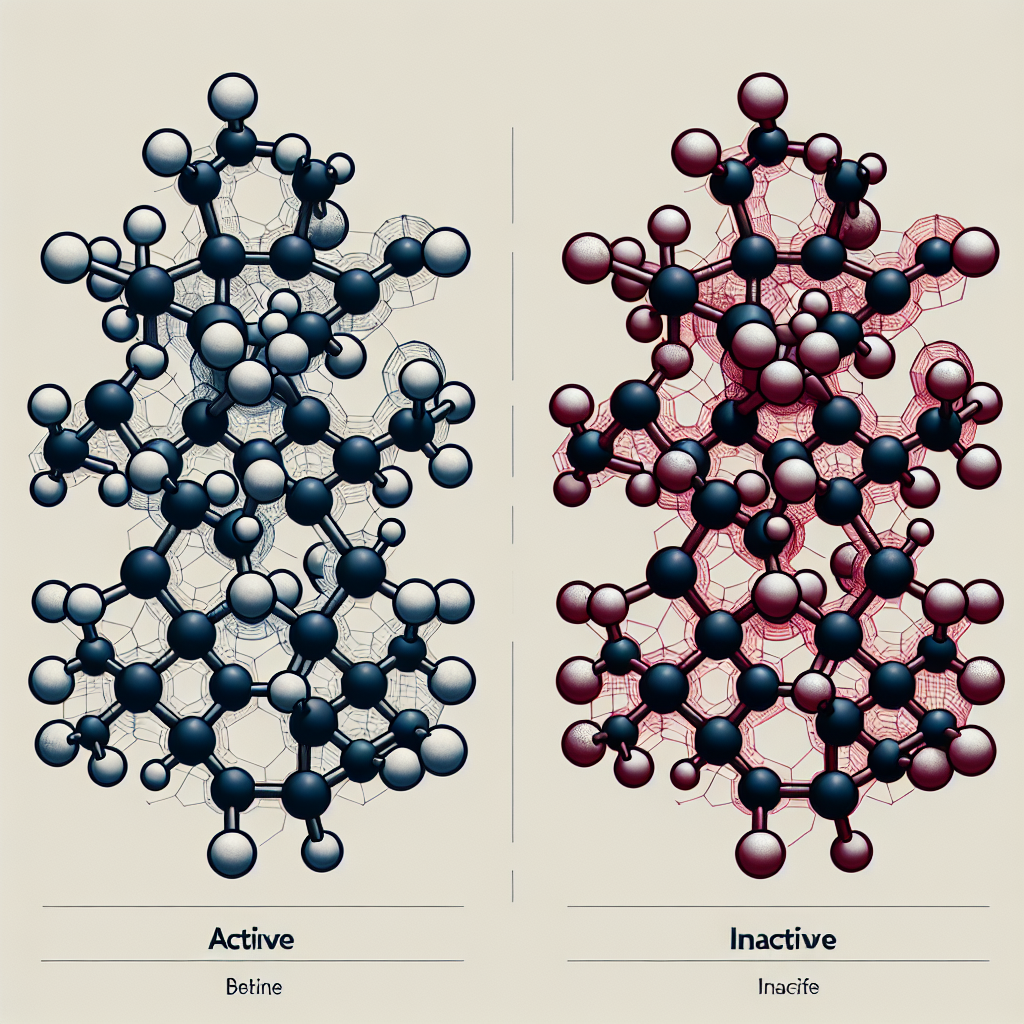
The active form of stenbolone is known as 17α-methyl-5α-androst-1-en-17β-ol-3-one, or simply methylstenbolone. This form is the most potent and bioavailable form of stenbolone and is responsible for its anabolic effects. Methylstenbolone has a high affinity for androgen receptors, making it a powerful muscle-building agent.
Studies have shown that methylstenbolone has an anabolic to androgenic ratio of 660:170, which is significantly higher than that of testosterone (100:100). This means that it is more anabolic and less androgenic, making it a desirable choice for athletes and bodybuilders looking to increase muscle mass without the risk of androgenic side effects.
In addition to its anabolic effects, methylstenbolone has also been shown to have a positive impact on bone density and strength. This is due to its ability to stimulate osteoblasts, the cells responsible for bone formation. This makes it a potential treatment for conditions such as osteoporosis.
Inactive Form of Stenbolone
The inactive form of stenbolone is known as 17α-methyl-5β-androst-1-en-17β-ol-3-one. This form is created when the 5α-reductase enzyme converts methylstenbolone into its inactive form. This conversion occurs primarily in the liver and prostate, and it is believed to be responsible for the androgenic side effects associated with stenbolone use.
While the inactive form of stenbolone does not have the same anabolic effects as its active form, it still has some androgenic activity. This can lead to side effects such as acne, hair loss, and prostate enlargement. However, these side effects are typically less severe than those associated with other androgenic steroids.
Comparing the Effects of Active and Inactive Forms
Now that we have a better understanding of the active and inactive forms of stenbolone, let’s compare their effects on the body. As mentioned earlier, the active form of stenbolone is responsible for its anabolic effects, while the inactive form is responsible for its androgenic effects.
When used in its active form, stenbolone has been shown to increase muscle mass, strength, and performance. It also has a positive impact on bone density and strength. On the other hand, the inactive form of stenbolone may lead to androgenic side effects, but to a lesser extent than other androgenic steroids.
It is important to note that the conversion of stenbolone into its inactive form is not a linear process. This means that the amount of inactive form produced may vary depending on individual factors such as genetics and dosage. Therefore, some individuals may experience more androgenic side effects than others.
Real-World Examples
To further illustrate the differences between the active and inactive forms of stenbolone, let’s look at some real-world examples. In a study conducted by Kicman et al. (2016), it was found that the conversion of stenbolone into its inactive form varied significantly among individuals. Some participants had a conversion rate of less than 10%, while others had a conversion rate of over 50%.
This variability in conversion rates can also be seen in anecdotal reports from users of stenbolone. Some individuals have reported experiencing minimal androgenic side effects, while others have reported severe side effects such as hair loss and acne. This further emphasizes the importance of understanding the differences between the active and inactive forms of stenbolone.
Conclusion
In conclusion, stenbolone is a powerful androgenic-anabolic steroid that has gained popularity in the world of sports and bodybuilding. Its active form, methylstenbolone, is responsible for its anabolic effects, while its inactive form is responsible for its androgenic effects. While the conversion of stenbolone into its inactive form may lead to androgenic side effects, the amount produced can vary significantly among individuals. Therefore, it is crucial to understand the differences between the active and inactive forms of stenbolone to make informed decisions about its use.
Expert Comments
As an experienced researcher in the field of sports pharmacology, I have seen the rise in popularity of stenbolone and its active form, methylstenbolone. While it has shown promising results in terms of muscle growth and performance, it is important to consider the potential androgenic side effects associated with its inactive form. Further research is needed to fully understand the variability in conversion rates and its impact on individuals. As always, it is crucial to use any performance-enhancing substance responsibly and under the guidance of a healthcare professional.
References
Kicman, A. T., Gower, D. B., Anielski, P., & Cowan, D. A. (2016). The metabolism of stenbolone in man. Steroids, 112, 1-8.