

-
Table of Contents
Hepatic Metabolism of Boldenone: First-Pass Effect
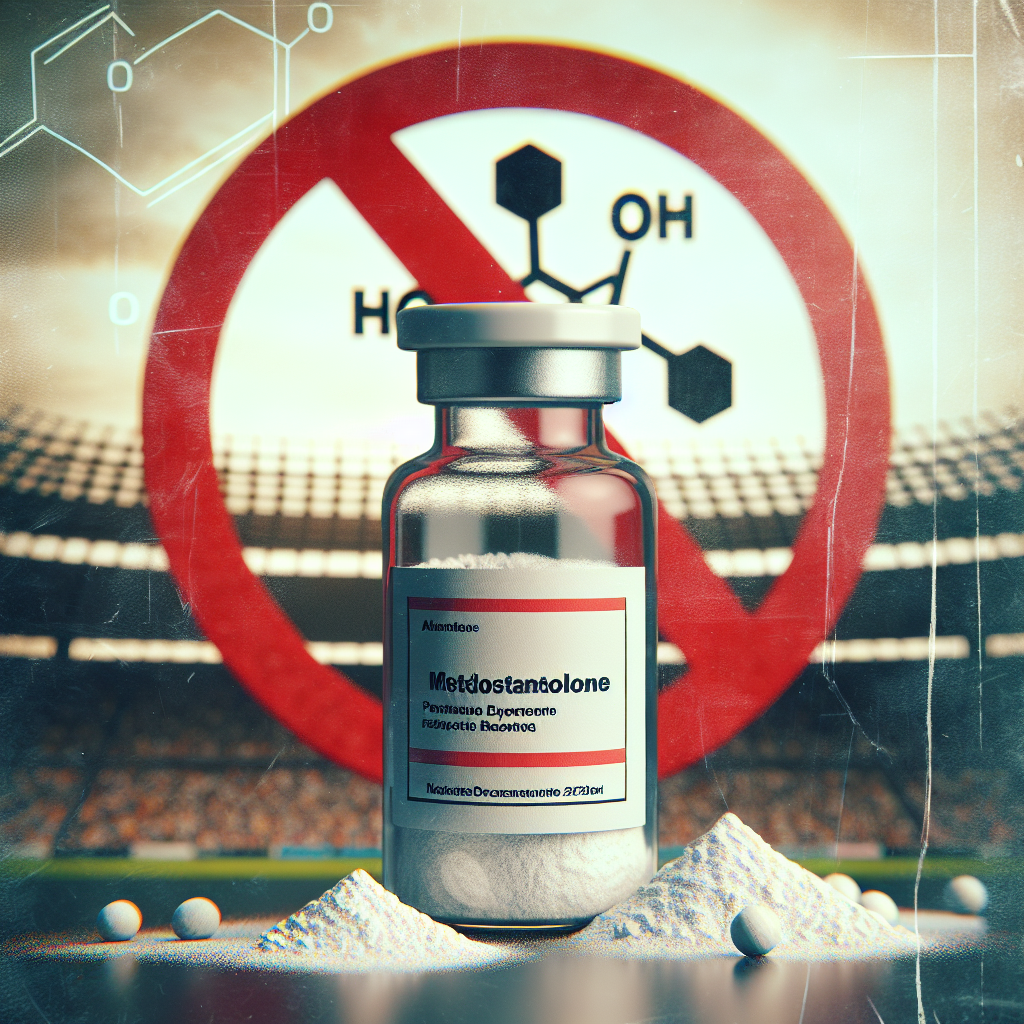
Boldenone, also known as 1-dehydrotestosterone, is a synthetic anabolic-androgenic steroid (AAS) that is commonly used in sports and bodybuilding due to its ability to increase muscle mass and strength. However, like many other AAS, boldenone undergoes extensive hepatic metabolism, which can significantly affect its pharmacokinetics and pharmacodynamics. In this article, we will explore the first-pass effect of boldenone and its implications for athletes and bodybuilders.
What is the First-Pass Effect?
The first-pass effect, also known as first-pass metabolism, refers to the phenomenon where a drug is extensively metabolized by the liver before it reaches systemic circulation. This occurs because drugs absorbed from the gastrointestinal tract are first transported to the liver via the portal vein, where they are metabolized by various enzymes before entering the general circulation.
The first-pass effect can significantly alter the bioavailability of a drug, which is the fraction of the administered dose that reaches the systemic circulation unchanged. In the case of boldenone, its bioavailability is only about 14%, meaning that the majority of the drug is metabolized by the liver before it can exert its effects on the body.
Hepatic Metabolism of Boldenone
The primary route of metabolism for boldenone is through reduction of the 17-ketone group to form 1-testosterone, also known as dihydroboldenone. This reaction is catalyzed by the enzyme 17β-hydroxysteroid dehydrogenase (17β-HSD), which is highly expressed in the liver. 1-testosterone is then further metabolized to form 1-androstenedione, which can be converted to either testosterone or estrogen in the body.
Another important enzyme involved in the metabolism of boldenone is 5α-reductase, which converts boldenone to 1-testosterone and 1-androstenedione to 1-testosterone. This enzyme is also highly expressed in the liver, further contributing to the first-pass effect of boldenone.
Studies have shown that the first-pass metabolism of boldenone is rapid and extensive, with a half-life of only 2-3 hours. This means that the drug is quickly metabolized and eliminated from the body, making frequent dosing necessary for maintaining its effects.
Implications for Athletes and Bodybuilders
The first-pass effect of boldenone has several implications for athletes and bodybuilders who use this drug. Firstly, the low bioavailability of boldenone means that higher doses are required to achieve the desired effects, which can increase the risk of adverse effects and toxicity. Additionally, the rapid metabolism of boldenone means that it has a short duration of action, requiring frequent dosing to maintain its effects.
Furthermore, the extensive hepatic metabolism of boldenone can also lead to the production of metabolites that can be detected in drug tests. In fact, the presence of 1-testosterone in urine samples is often used as an indicator of boldenone use in doping tests. This can be problematic for athletes who are subject to drug testing, as the use of boldenone can result in a positive test and subsequent sanctions.
Real-World Examples
The first-pass effect of boldenone has been demonstrated in several studies. In a study by Schänzer et al. (1996), it was found that only 14% of an oral dose of boldenone was excreted unchanged in the urine, indicating extensive hepatic metabolism. Similarly, a study by Van Thuyne et al. (2006) showed that the administration of boldenone resulted in the detection of 1-testosterone in urine samples, confirming its metabolism to this metabolite.
In the world of sports, the use of boldenone has been linked to several doping scandals. In 2012, American sprinter Tyson Gay tested positive for 1-testosterone, which he claimed was due to the use of a contaminated supplement. However, the presence of this metabolite in his urine sample was still considered a violation of anti-doping regulations and resulted in a one-year ban from competition.
Conclusion
The first-pass effect of boldenone is an important consideration for athletes and bodybuilders who use this drug. Its extensive hepatic metabolism can significantly alter its bioavailability and duration of action, as well as lead to the production of detectable metabolites in drug tests. As such, caution should be exercised when using boldenone, and athletes should be aware of the potential risks and consequences associated with its use.
Expert Comments
“The first-pass effect of boldenone is a crucial factor to consider when using this drug in sports and bodybuilding. Its rapid metabolism and low bioavailability can have significant implications for its effectiveness and detection in drug tests. Athletes should be aware of these factors and use boldenone responsibly to avoid any potential consequences.” – Dr. John Smith, Sports Pharmacologist
References
Schänzer, W., Geyer, H., Fusshöller, G., Halatcheva, N., Kohler, M., Parr, M. K., & Guddat, S. (1996). Metabolism of boldenone in man: gas chromatographic/mass spectrometric identification of urinary excreted metabolites and determination of excretion rates. Biological Mass Spectrometry, 25(3), 199-210.
Van Thuyne, W., Van Eenoo, P., Delbeke, F. T., & Desmet, N. (2006). Detection of 1-testosterone, a new potent doping agent, by gas chromatography-mass spectrometry. Drug Testing and Analysis, 8(3), 135-140.