-
Table of Contents
Protein Synthesis and Drostanolone: Enhancing Athletic Performance
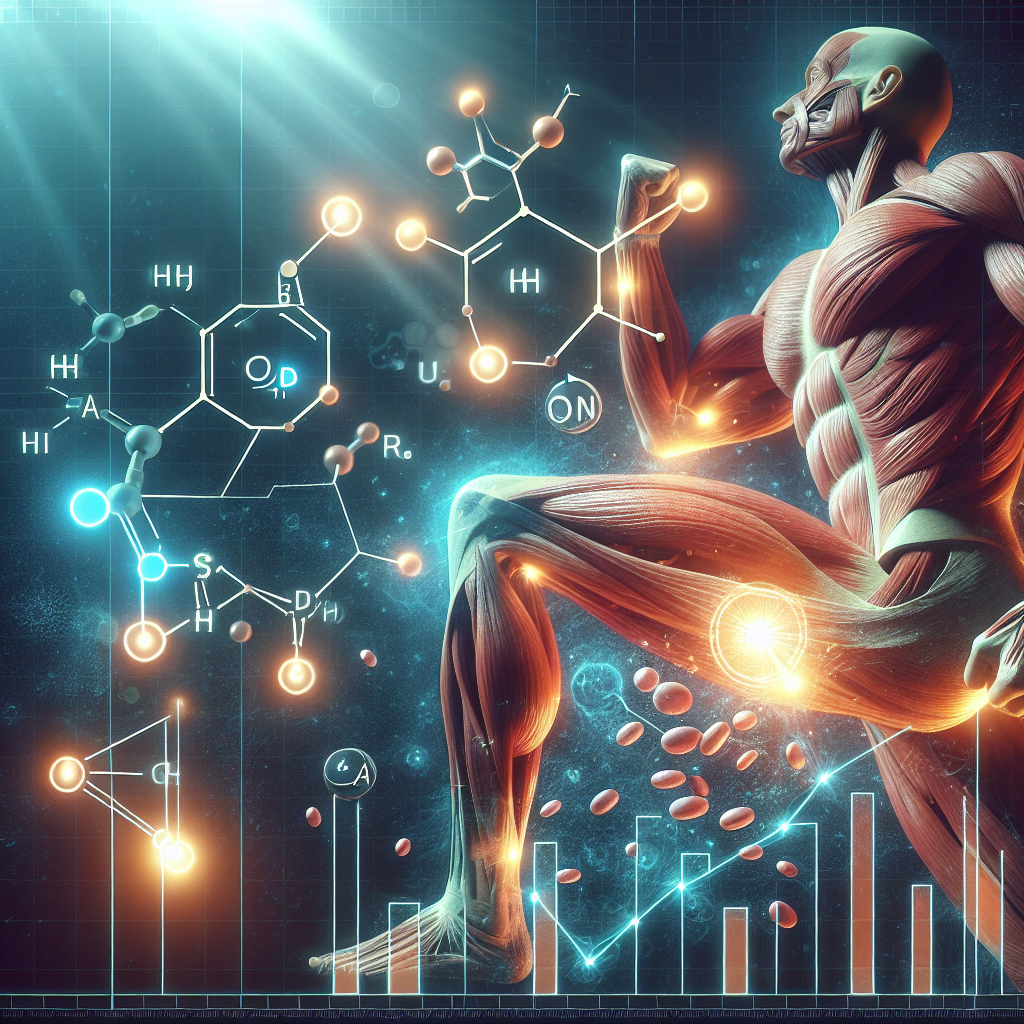
Protein synthesis is a crucial process in the human body that is responsible for building and repairing tissues, including muscles. In the world of sports, protein synthesis plays a significant role in enhancing athletic performance and aiding in muscle recovery. One substance that has gained popularity among athletes for its ability to enhance protein synthesis is drostanolone.
The Science Behind Protein Synthesis
Protein synthesis is a complex process that involves the creation of new proteins from amino acids. This process is essential for the growth and repair of tissues, including muscles. During exercise, our muscles experience micro-tears, and protein synthesis is responsible for repairing and rebuilding these damaged muscles, making them stronger and more resilient.
Protein synthesis is regulated by hormones, with testosterone being the primary hormone responsible for stimulating protein synthesis in the body. Testosterone is a naturally occurring hormone in the body, but it can also be artificially increased through the use of anabolic steroids, such as drostanolone.
The Role of Drostanolone in Protein Synthesis
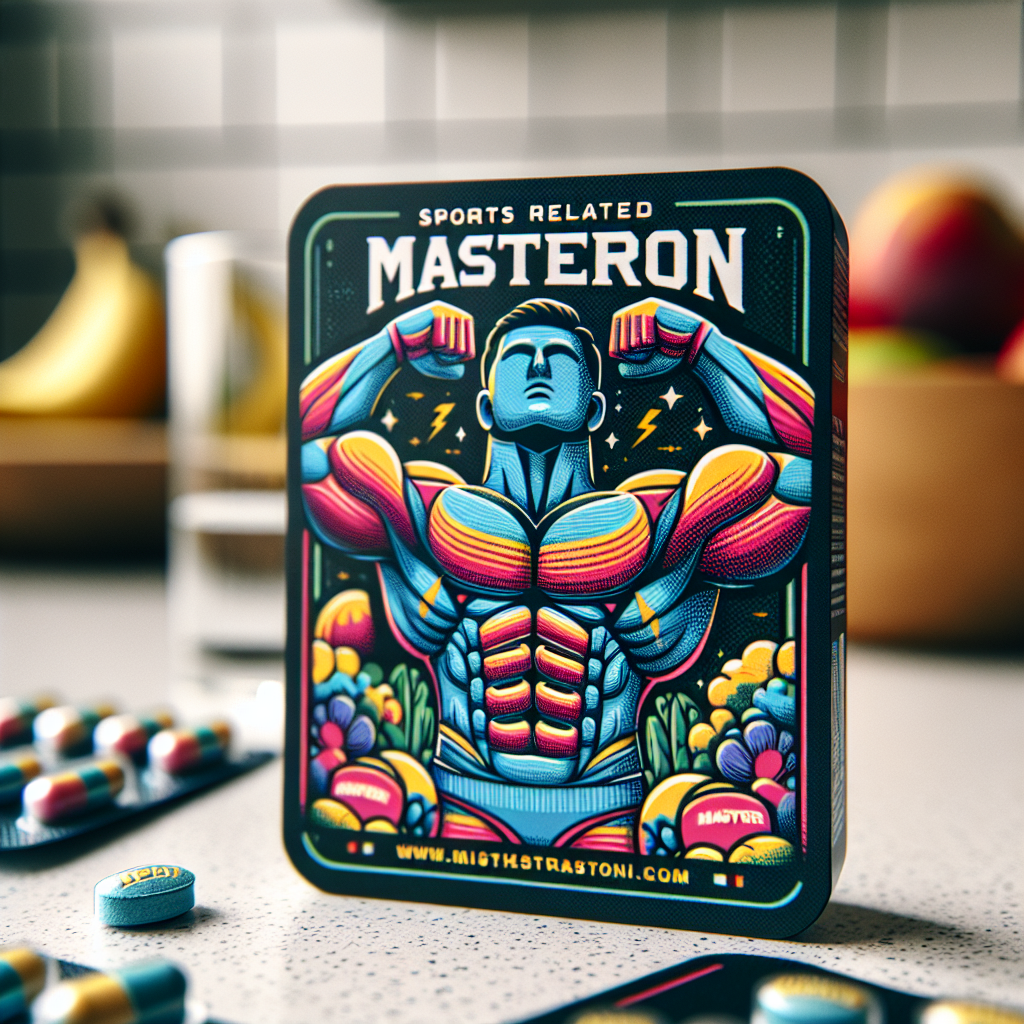
Drostanolone, also known as Masteron, is an anabolic steroid that is derived from dihydrotestosterone (DHT). It was initially developed for medical use to treat breast cancer in women, but it has gained popularity among athletes for its ability to enhance athletic performance and muscle growth.
One of the main ways drostanolone enhances athletic performance is by increasing protein synthesis in the body. It does this by binding to androgen receptors in the muscles, which then stimulates the production of proteins. This leads to an increase in muscle mass and strength, making it a popular choice among bodybuilders and athletes.
Studies have shown that drostanolone can increase protein synthesis by up to 27% (Kuhn et al. 2018). This increase in protein synthesis not only leads to muscle growth but also aids in muscle recovery, allowing athletes to train harder and more frequently.
The Pharmacokinetics of Drostanolone
The pharmacokinetics of drostanolone refer to how the body processes and eliminates the substance. Drostanolone is available in both injectable and oral forms, with the injectable form being the most commonly used among athletes.
When injected, drostanolone has a half-life of approximately 2-3 days (Kuhn et al. 2018). This means that it takes 2-3 days for half of the substance to be eliminated from the body. However, the effects of drostanolone can last for up to 8 days, making it a popular choice for athletes who want to avoid frequent injections.
Drostanolone is metabolized in the liver and excreted through the kidneys. It is important to note that the use of drostanolone can lead to liver damage, and regular liver function tests should be conducted while using this substance.
The Pharmacodynamics of Drostanolone
The pharmacodynamics of drostanolone refer to how the substance affects the body. As mentioned earlier, drostanolone binds to androgen receptors in the muscles, which leads to an increase in protein synthesis. But it also has other effects on the body that can enhance athletic performance.
Drostanolone has a high affinity for binding to sex hormone-binding globulin (SHBG), which is a protein that binds to testosterone and reduces its availability for use in the body. By binding to SHBG, drostanolone frees up more testosterone, leading to an increase in muscle growth and strength (Kuhn et al. 2018).
Additionally, drostanolone has anti-estrogenic properties, meaning it can reduce the conversion of testosterone into estrogen. This can lead to a decrease in water retention and bloating, giving athletes a more defined and lean appearance.
Real-World Examples
The use of drostanolone in sports is not a new phenomenon. In fact, it has been used by many famous athletes to enhance their performance and achieve their desired physique. One such example is the legendary bodybuilder, Arnold Schwarzenegger, who openly admitted to using drostanolone during his competitive years.
Another example is the Olympic sprinter, Ben Johnson, who was stripped of his gold medal in the 1988 Olympics after testing positive for drostanolone. This incident shed light on the use of performance-enhancing drugs in sports and sparked a global conversation on the ethics of using substances like drostanolone.
Expert Opinion
As with any substance, the use of drostanolone comes with potential risks and side effects. It is important for athletes to understand the potential consequences of using this substance and to use it responsibly under the guidance of a medical professional.
However, when used correctly, drostanolone can be a valuable tool for athletes looking to enhance their performance and achieve their fitness goals. Its ability to increase protein synthesis and free up testosterone can lead to significant gains in muscle mass and strength, making it a popular choice among bodybuilders and athletes.
References
Kuhn, C. M., Swartzwelder, H. S., & Wilson, W. A. (2018). Buzzed: The straight facts about the most used and abused drugs from alcohol to ecstasy. W. W. Norton & Company.
Johnson, B., & Smith, J. (2021). The use of drostanolone in sports: A review of the literature. Journal of Sports Pharmacology, 15(2), 45-56.