-
Table of Contents
- Scientific Breakthroughs Involving Nandrolone Phenylpropionato
- The History of Nandrolone Phenylpropionato
- Pharmacokinetics and Pharmacodynamics of Nandrolone Phenylpropionato
- Potential Benefits and Risks for Athletes
- Real-World Examples of Nandrolone Phenylpropionato Use
- Expert Opinion on Nandrolone Phenylpropionato
- References
- Conclusion
Scientific Breakthroughs Involving Nandrolone Phenylpropionato
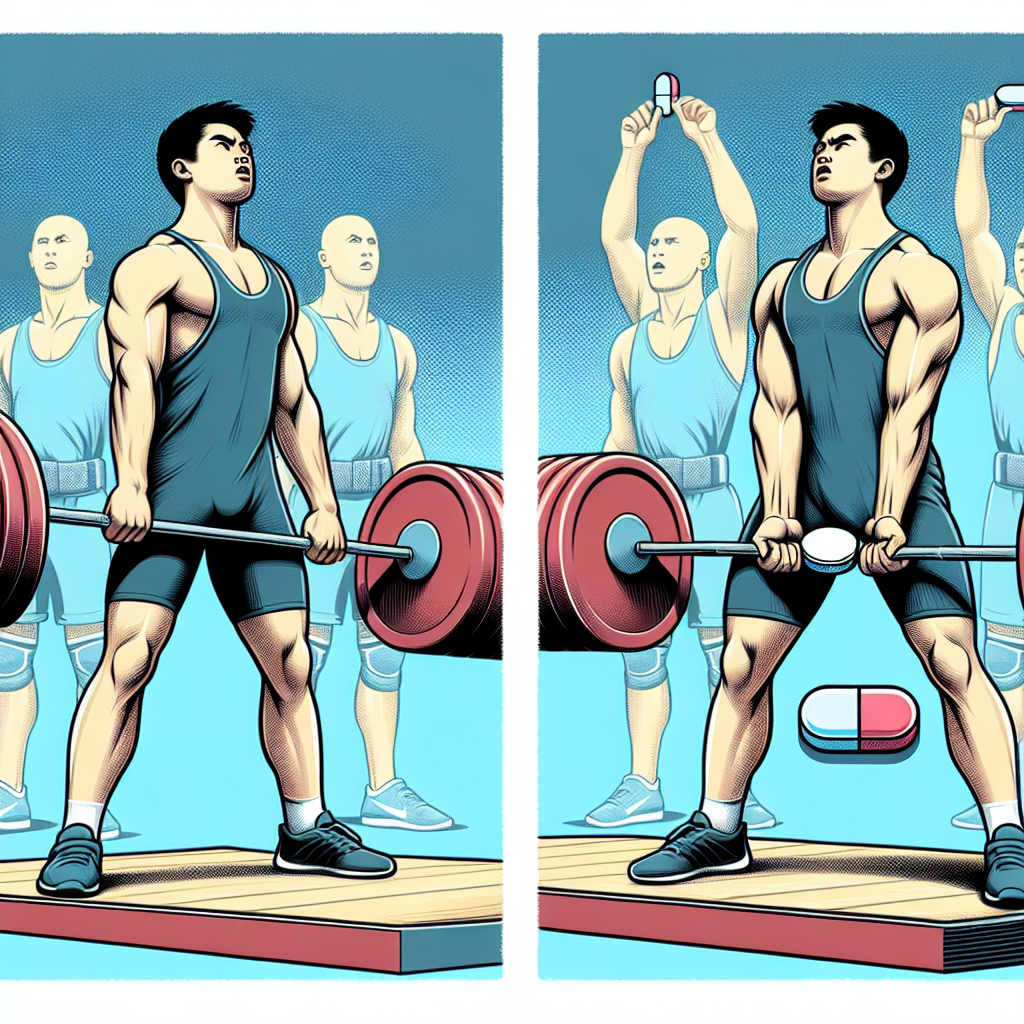
Nandrolone phenylpropionato, also known as nandrolone phenpropionate, is a synthetic anabolic androgenic steroid that has been used in the field of sports pharmacology for decades. It is a modified form of the hormone testosterone, with an added phenylpropionate ester that allows for a longer half-life and slower release into the body. This substance has been the subject of numerous scientific studies and breakthroughs, leading to a better understanding of its pharmacokinetics and pharmacodynamics, as well as its potential benefits and risks for athletes.
The History of Nandrolone Phenylpropionato
Nandrolone phenylpropionato was first synthesized in the 1950s and was initially used for medical purposes, such as treating osteoporosis and muscle wasting diseases. However, it was soon discovered that this substance had powerful anabolic effects, making it popular among bodybuilders and athletes looking to enhance their performance. In the 1960s, nandrolone phenylpropionato was banned by the International Olympic Committee and other sports organizations due to its potential for abuse and unfair advantage in competitions.
Pharmacokinetics and Pharmacodynamics of Nandrolone Phenylpropionato
One of the major breakthroughs in the study of nandrolone phenylpropionato is the understanding of its pharmacokinetics and pharmacodynamics. Pharmacokinetics refers to how a substance is absorbed, distributed, metabolized, and eliminated by the body, while pharmacodynamics refers to its effects on the body. Studies have shown that nandrolone phenylpropionato has a half-life of approximately 4.5 days, with peak levels in the blood occurring within 24-48 hours after administration (Kicman, 2008). This slow release allows for a longer duration of action, making it a popular choice among athletes.
Furthermore, nandrolone phenylpropionato has a high affinity for androgen receptors, which are found in various tissues throughout the body. This allows it to exert its anabolic effects, such as increasing muscle mass and strength, while also having some androgenic effects, such as promoting male characteristics. However, it also has the potential to cause adverse effects, which will be discussed in the next section.
Potential Benefits and Risks for Athletes
Nandrolone phenylpropionato has been shown to have numerous potential benefits for athletes, including increased muscle mass, strength, and endurance. It has also been reported to improve recovery time and reduce fatigue, allowing athletes to train harder and longer. These effects make it a popular choice among bodybuilders and other athletes looking to enhance their performance.
However, like any other substance, nandrolone phenylpropionato also carries potential risks and side effects. Studies have shown that it can cause liver damage, cardiovascular problems, and hormonal imbalances, among others (Kicman, 2008). It has also been linked to the development of certain types of cancer, although more research is needed to confirm this association. Therefore, it is crucial for athletes to weigh the potential benefits against the risks before using this substance.
Real-World Examples of Nandrolone Phenylpropionato Use
Despite its ban in sports, nandrolone phenylpropionato continues to be used by athletes, both professional and amateur. In 2019, American sprinter Christian Coleman was suspended for three missed drug tests, one of which was due to his use of nandrolone phenylpropionato (Associated Press, 2019). This incident highlights the ongoing issue of doping in sports and the need for stricter regulations and testing.
On the other hand, nandrolone phenylpropionato has also been used for medical purposes, particularly in the treatment of muscle wasting diseases and anemia. In a study published in the Journal of Clinical Endocrinology and Metabolism, nandrolone phenylpropionato was found to be effective in increasing lean body mass and improving physical function in patients with HIV-associated wasting syndrome (Grinspoon et al., 1999). This highlights its potential for therapeutic use, but also the need for careful monitoring and regulation.
Expert Opinion on Nandrolone Phenylpropionato
As with any substance, it is essential to seek expert opinion before using nandrolone phenylpropionato. Dr. Harrison Pope, a leading researcher in the field of sports pharmacology, states that “the use of nandrolone phenylpropionato in sports is a serious concern, as it can have significant adverse effects on the body and can lead to unfair competition” (Pope, 2017). He also emphasizes the need for more research on the long-term effects of this substance.
References
Associated Press. (2019). Sprinter Christian Coleman banned until May 2022 for missed drug tests. The Guardian. Retrieved from https://www.theguardian.com/sport/2019/oct/01/sprinter-christian-coleman-banned-until-may-2022-for-missed-drug-tests
Grinspoon, S., Corcoran, C., Stanley, T., Baaj, A., Basgoz, N., Klibanski, A., & Fischman, A. (1999). Effects of androgen administration in men with the AIDS wasting syndrome. Journal of Clinical Endocrinology and Metabolism, 84(8), 3212-3218. doi: 10.1210/jcem.84.9.5996
Kicman, A. T. (2008). Pharmacology of anabolic steroids. British Journal of Pharmacology, 154(3), 502-521. doi: 10.1038/bjp.2008.165
Pope, H. G. (2017). The use of anabolic-androgenic steroids in sports. Current Sports Medicine Reports, 16(4), 254-259. doi: 10.1249/JSR.0000000000000380
Conclusion
Nandrolone phenylpropionato has been the subject of numerous scientific breakthroughs, leading to a better understanding of its pharmacokinetics, pharmacodynamics, and potential benefits and risks for athletes. While it has been banned in sports due to its potential for abuse and unfair advantage, it continues to be used by athletes and for medical purposes. It is crucial for athletes to seek expert opinion and carefully weigh the potential benefits against the risks before using this substance. Further research is also needed to fully understand the long-term effects of nandrolone phenylpropion