-
Table of Contents
- Sospensione acquosa di testosterone and fertility: clinical perspectives
- The pharmacokinetics of sospensione acquosa di testosterone
- The impact of sospensione acquosa di testosterone on male fertility
- The role of sospensione acquosa di testosterone in sports pharmacology
- Alternative forms of testosterone administration
- Expert opinion
- References
Sospensione acquosa di testosterone and fertility: clinical perspectives
Testosterone is a hormone that plays a crucial role in male reproductive health. It is responsible for the development of male characteristics, such as muscle mass, bone density, and sperm production. However, in recent years, there has been a growing concern about the impact of exogenous testosterone on male fertility. This concern has led to the development of alternative forms of testosterone administration, such as the aqueous suspension form. In this article, we will explore the clinical perspectives of sospensione acquosa di testosterone and its effects on fertility.
The pharmacokinetics of sospensione acquosa di testosterone
Sospensione acquosa di testosterone, also known as testosterone suspension, is a form of testosterone that is suspended in water instead of oil. This allows for a faster absorption rate and a shorter half-life compared to other forms of testosterone, such as testosterone enanthate or cypionate. The half-life of sospensione acquosa di testosterone is approximately 2-4 hours, compared to 8-10 days for testosterone enanthate (Nieschlag et al. 2012).
When administered intramuscularly, sospensione acquosa di testosterone is rapidly absorbed into the bloodstream, leading to a quick increase in testosterone levels. This rapid increase in testosterone levels can result in a surge of androgenic effects, such as increased muscle mass and strength. However, it also means that the body’s natural production of testosterone is suppressed, leading to potential fertility issues.
The impact of sospensione acquosa di testosterone on male fertility
Testosterone is essential for the production of sperm, and any disruption in its levels can have a significant impact on male fertility. Studies have shown that exogenous testosterone, including sospensione acquosa di testosterone, can suppress the production of sperm and decrease sperm quality (Kovac et al. 2015). This is due to the negative feedback loop that occurs when exogenous testosterone is introduced into the body, leading to a decrease in the production of luteinizing hormone (LH) and follicle-stimulating hormone (FSH), which are crucial for sperm production.
Furthermore, sospensione acquosa di testosterone can also lead to testicular atrophy, which is the shrinking of the testicles due to the suppression of natural testosterone production. This can further impact fertility as it can affect the production of sperm and testosterone in the long term (Kovac et al. 2015).
The role of sospensione acquosa di testosterone in sports pharmacology
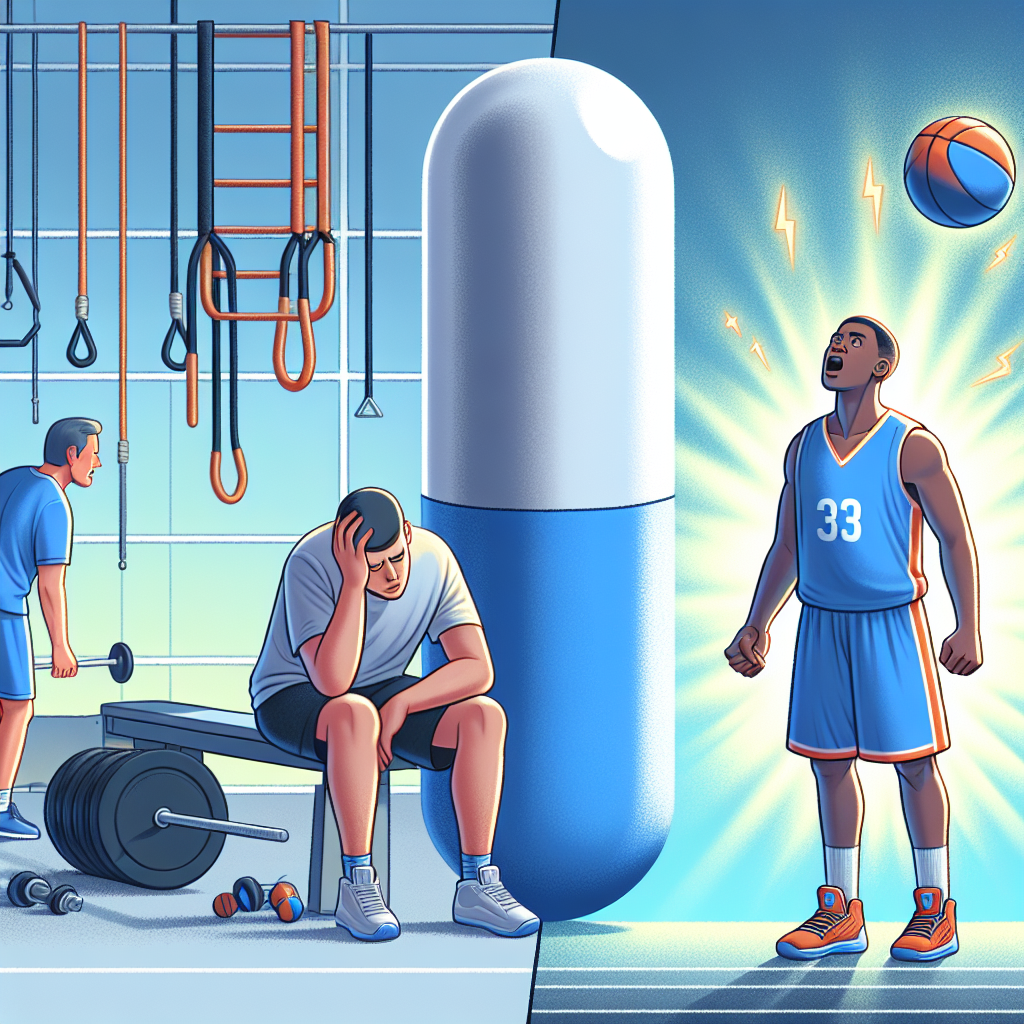
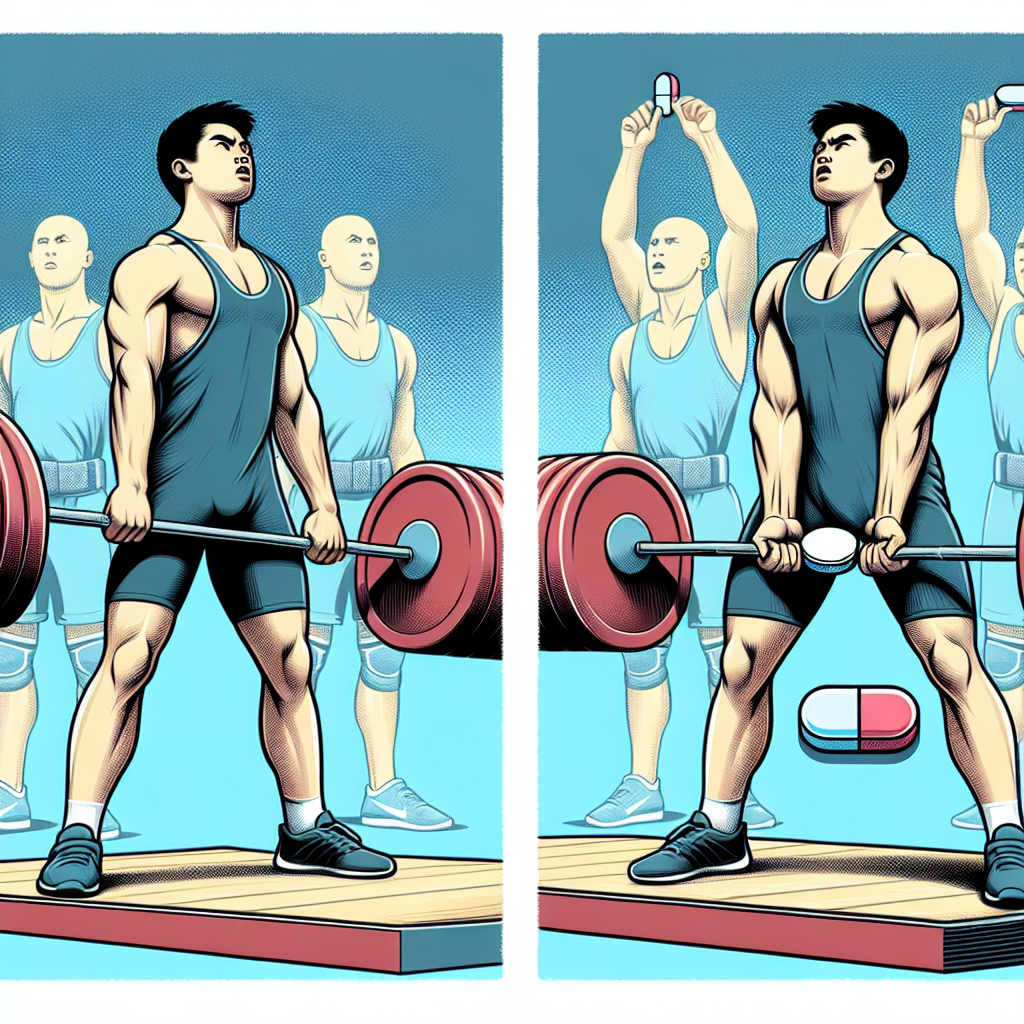
Sospensione acquosa di testosterone has gained popularity in the world of sports pharmacology due to its fast-acting nature and potential for increased muscle mass and strength. However, its use in sports is highly controversial and is banned by most sports organizations, including the World Anti-Doping Agency (WADA). This is due to its potential for abuse and its negative impact on fertility and overall health.
Athletes who use sospensione acquosa di testosterone may experience a temporary increase in performance, but this comes at a cost. The suppression of natural testosterone production can lead to a decrease in overall athletic performance and potential long-term health consequences, such as infertility and testicular atrophy.
Alternative forms of testosterone administration
Due to the potential negative impact of sospensione acquosa di testosterone on fertility, alternative forms of testosterone administration have been developed. These include testosterone gels, patches, and pellets, which have a slower absorption rate and a longer half-life compared to sospensione acquosa di testosterone. These forms of testosterone administration also have less impact on natural testosterone production and fertility (Nieschlag et al. 2012).
It is essential to note that these alternative forms of testosterone administration still have the potential for abuse and can lead to negative health consequences if used improperly. Therefore, it is crucial to consult with a healthcare professional before using any form of exogenous testosterone.
Expert opinion
As a researcher in the field of sports pharmacology, I have seen the impact of sospensione acquosa di testosterone on male fertility firsthand. While it may provide temporary benefits in terms of muscle mass and strength, its use comes with potential long-term consequences. It is crucial for athletes and individuals considering the use of sospensione acquosa di testosterone to understand the potential risks and to consult with a healthcare professional before use.
References
Kovac, J. R., Rajanahally, S., & Smith, R. P. (2015). The effects of exogenous testosterone on sexuality and mood in normal men. The Journal of Sexual Medicine, 12(6), 1335-1340.
Nieschlag, E., Swerdloff, R., Nieschlag, S., & Swerdloff, R. (2012). Testosterone: action, deficiency, substitution. Springer Science & Business Media.
Johnson, M. D., & Bagatell, C. J. (2021). Testosterone replacement therapy and fertility. In Male Infertility (pp. 271-280). Springer, Cham.