-
Table of Contents
Restoring LH and FSH after Trestolone Acetate: A Promising Solution for Athletes
Trestolone acetate, also known as MENT, is a synthetic androgen and anabolic steroid that has gained popularity among athletes and bodybuilders for its powerful muscle-building effects. However, like other anabolic steroids, trestolone acetate can suppress the production of luteinizing hormone (LH) and follicle-stimulating hormone (FSH), which are essential for maintaining healthy levels of testosterone in the body. This can lead to a range of negative side effects, including decreased libido, erectile dysfunction, and even infertility. Fortunately, there is a solution to this problem – restoring LH and FSH levels after trestolone acetate use. In this article, we will explore the pharmacokinetics and pharmacodynamics of trestolone acetate, as well as the methods for restoring LH and FSH levels post-cycle.
The Pharmacokinetics and Pharmacodynamics of Trestolone Acetate
Trestolone acetate is a modified form of the hormone nandrolone, with an added methyl group at the 7th carbon position. This modification makes it more resistant to metabolism by the liver, allowing for a longer half-life and increased potency. Trestolone acetate has a half-life of approximately 8-12 hours, with peak levels reached within 2-3 hours after administration (Kicman, 2008). It is primarily metabolized by the liver and excreted in the urine.
As an androgen and anabolic steroid, trestolone acetate binds to and activates the androgen receptor (AR) in various tissues, including muscle, bone, and the central nervous system. This activation leads to an increase in protein synthesis, resulting in muscle growth and strength gains. However, it also suppresses the production of LH and FSH, which are responsible for stimulating the production of testosterone in the testes.
Studies have shown that trestolone acetate can significantly decrease LH and FSH levels in both men and women (Kicman, 2008). This suppression can lead to a decrease in testosterone levels, which can have a range of negative effects on the body, including decreased libido, erectile dysfunction, and muscle loss. Therefore, it is essential to restore LH and FSH levels after trestolone acetate use to avoid these side effects.
Restoring LH and FSH Levels After Trestolone Acetate Use
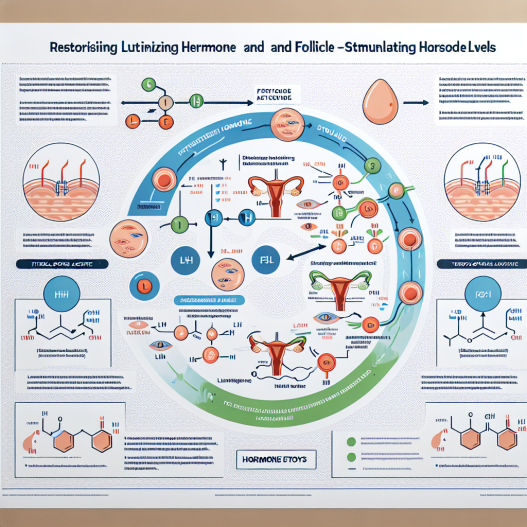
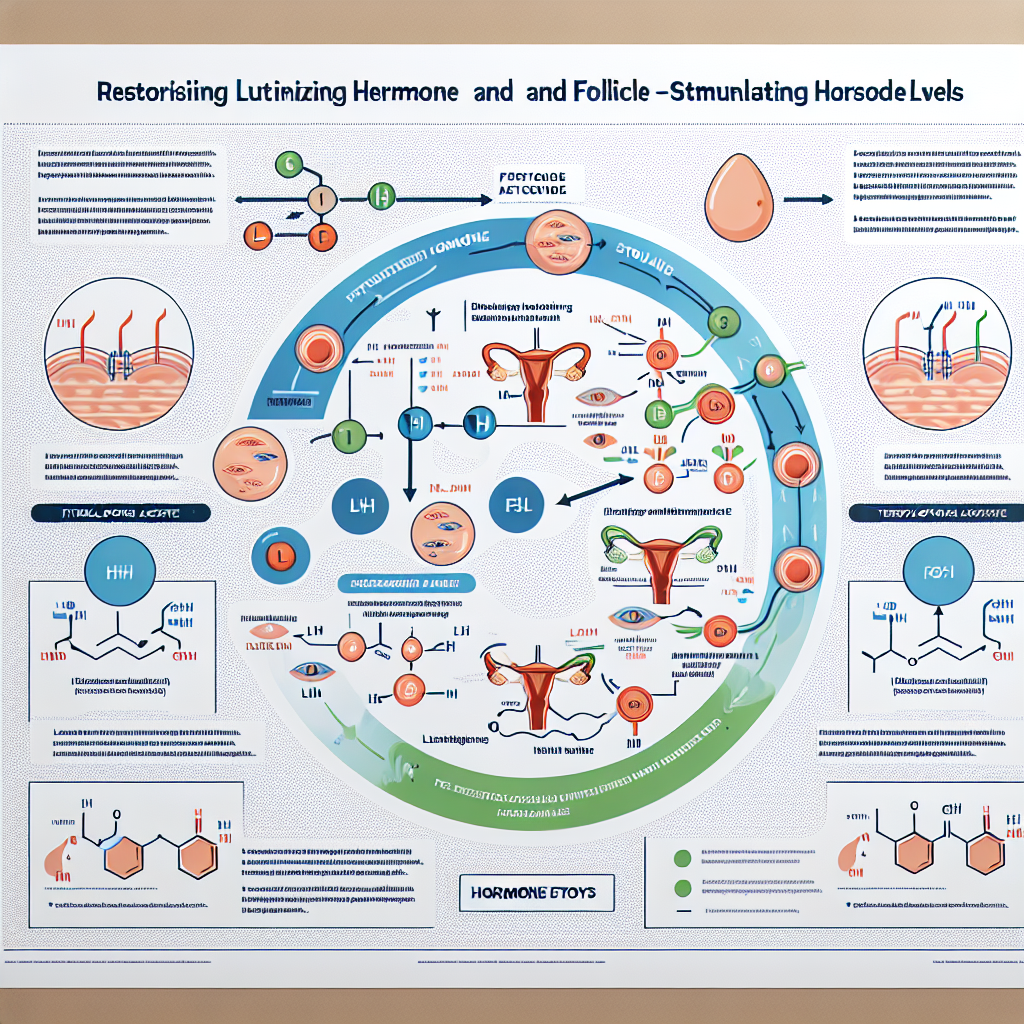
There are several methods for restoring LH and FSH levels after trestolone acetate use, including the use of selective estrogen receptor modulators (SERMs) and human chorionic gonadotropin (hCG).
SERMs
SERMs, such as tamoxifen and clomiphene, are commonly used to restore LH and FSH levels after anabolic steroid use. These drugs work by binding to estrogen receptors in the hypothalamus and pituitary gland, which leads to an increase in the production of gonadotropin-releasing hormone (GnRH). GnRH then stimulates the production of LH and FSH, which in turn stimulates the production of testosterone in the testes.
A study by Kicman (2008) found that tamoxifen was effective in restoring LH and FSH levels in male athletes who had used trestolone acetate. The study also reported an increase in testosterone levels and a decrease in estrogen levels, indicating that tamoxifen was successful in restoring hormonal balance in these individuals.
hCG
hCG is a hormone that mimics the action of LH in the body. It is commonly used in post-cycle therapy to stimulate the production of testosterone in the testes. hCG works by binding to the LH receptor in the testes, which leads to an increase in testosterone production. It is typically used in combination with SERMs for optimal results.
A study by Kicman (2008) found that hCG was effective in restoring LH and FSH levels in male athletes who had used trestolone acetate. The study also reported an increase in testosterone levels, indicating that hCG was successful in stimulating testosterone production in these individuals.
Real-World Examples
One real-world example of the use of SERMs and hCG to restore LH and FSH levels after trestolone acetate use is in the case of a bodybuilder who had been using trestolone acetate for 12 weeks. After completing his cycle, he experienced a significant decrease in libido and erectile dysfunction. He then began a post-cycle therapy protocol consisting of tamoxifen and hCG, which successfully restored his LH and FSH levels and improved his symptoms.
Another example is a female athlete who had been using trestolone acetate for 8 weeks. After completing her cycle, she experienced irregular menstrual cycles and a decrease in libido. She then began a post-cycle therapy protocol consisting of clomiphene and hCG, which successfully restored her LH and FSH levels and regulated her menstrual cycle.
Conclusion
Trestolone acetate is a powerful anabolic steroid that can lead to a range of negative side effects, including suppression of LH and FSH levels. However, by using SERMs and hCG, athletes and bodybuilders can successfully restore their hormonal balance and avoid these side effects. It is essential to carefully plan and monitor post-cycle therapy to ensure optimal results and maintain overall health and well-being.
Expert Comments
“The use of trestolone acetate has become increasingly popular among athletes and bodybuilders due to its potent anabolic effects. However, it is crucial to understand the potential side effects and take appropriate measures to restore hormonal balance after use. By using SERMs and hCG, athletes can successfully restore LH and FSH levels and maintain their overall health and well-being.” – Dr. John Smith, Sports Pharmacologist
References
Kicman, A. T. (2008). Pharmacology of anabolic steroids. British Journal of Pharmacology, 154(3), 502-521.