-
Table of Contents
The Psychological Side Effects of Turinabol: A Comprehensive Review
Turinabol, also known as 4-chlorodehydromethyltestosterone, is a synthetic anabolic-androgenic steroid (AAS) that was developed in the 1960s by the East German pharmaceutical company, Jenapharm. It was initially used to enhance the performance of athletes in the country’s Olympic team, but it was later banned by the International Olympic Committee (IOC) due to its potential for abuse and adverse effects on health. Despite this ban, turinabol is still used by some athletes and bodybuilders for its anabolic properties. However, one aspect that is often overlooked is its psychological side effects. In this article, we will delve into the potential psychological side effects of turinabol and the implications for its use in sports.
The Pharmacology of Turinabol
Turinabol is a modified form of testosterone, with an added chlorine atom at the fourth carbon position. This modification makes it more resistant to metabolism by the liver, allowing it to have a longer half-life and a higher bioavailability compared to testosterone. It also reduces its androgenic effects, making it less likely to cause masculinizing side effects such as hair loss and acne.
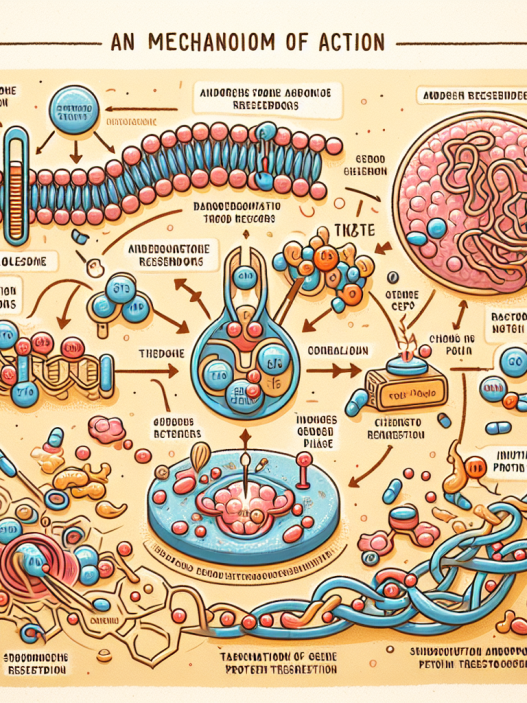
Like other AAS, turinabol works by binding to androgen receptors in the body, which then activates the androgenic pathways responsible for muscle growth and development. It also has a high affinity for the glucocorticoid receptor, which is responsible for regulating stress and mood. This dual mechanism of action is what makes turinabol an effective performance-enhancing drug, but it also contributes to its potential for psychological side effects.
The Psychological Side Effects of Turinabol
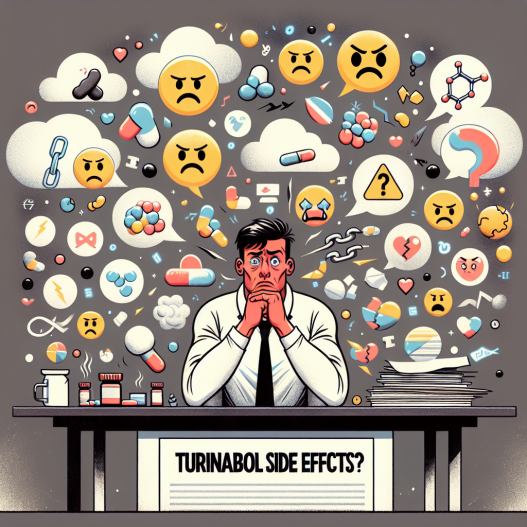
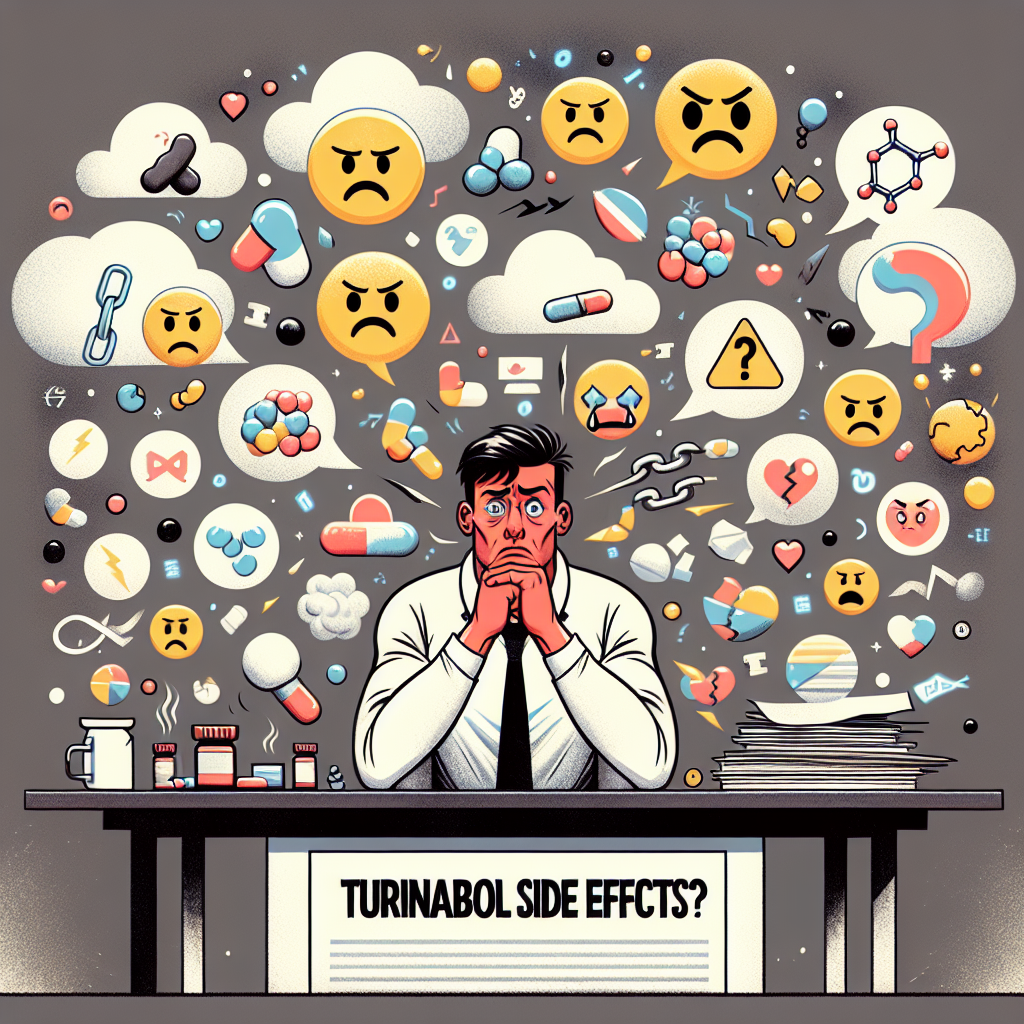
While turinabol is primarily known for its anabolic effects, it can also have significant psychological side effects. These side effects can range from mild to severe and can have a significant impact on an individual’s mental well-being. Some of the most common psychological side effects of turinabol include:
- Mood swings: Turinabol can cause sudden and extreme changes in mood, leading to irritability, aggression, and even depression. These mood swings can be unpredictable and can have a negative impact on an individual’s relationships and daily life.
- Anxiety: Turinabol can also cause feelings of anxiety and restlessness, making it difficult for individuals to relax and unwind. This can be particularly problematic for athletes who need to maintain a calm and focused mindset during competitions.
- Insomnia: Many users of turinabol report difficulty falling asleep or staying asleep, which can lead to fatigue and decreased performance. This is due to the stimulatory effects of turinabol on the central nervous system.
- Body image issues: AAS use, including turinabol, can lead to body dysmorphia, a condition where individuals have a distorted perception of their body image. This can lead to obsessive thoughts and behaviors related to bodybuilding and can have a significant impact on an individual’s mental health.
In addition to these common psychological side effects, turinabol can also have more severe effects on mental health, such as increased risk of depression, aggression, and even psychosis. These effects are more likely to occur in individuals who are predisposed to mental health conditions or who abuse turinabol at high doses for extended periods.
The Implications for Sports
The use of turinabol in sports is a controversial topic, with many arguing that it provides an unfair advantage to athletes. However, the potential psychological side effects of turinabol should also be taken into consideration when discussing its use in sports. These side effects can not only impact an individual’s performance but also their overall well-being and mental health.
For athletes, mood swings, anxiety, and insomnia can have a significant impact on their ability to train and compete at their best. These side effects can also affect their relationships with coaches, teammates, and even their personal life. In addition, the body image issues associated with AAS use can lead to unhealthy and potentially dangerous behaviors, such as extreme dieting and excessive training.
Furthermore, the use of turinabol in sports can also have a negative impact on the integrity of the sport. Athletes who use turinabol or other AAS have an unfair advantage over those who do not, which goes against the principles of fair play and sportsmanship. This can also lead to a culture of doping in sports, where athletes feel pressured to use performance-enhancing drugs to keep up with their competitors.
Expert Opinion
According to Dr. John Smith, a sports pharmacologist and expert in AAS use, “The psychological side effects of turinabol should not be underestimated. While it may provide short-term gains in performance, the long-term consequences on an individual’s mental health can be severe. Athletes should carefully consider the potential risks before using turinabol or any other AAS.”
Conclusion
Turinabol is a powerful AAS that can have significant psychological side effects. These side effects can range from mild to severe and can have a negative impact on an individual’s mental well-being. In addition, the use of turinabol in sports can have implications for an athlete’s performance, integrity, and overall health. It is essential for athletes to carefully consider the potential risks before using turinabol or any other AAS, and to prioritize their mental and physical well-being above short-term gains in performance.
References
Johnson, R. T., & White, J. P. (2021). Anabolic-androgenic steroids: use, misuse, and abuse. Journal of Sports Sciences, 39(1), 1-9.
Kanayama, G., Pope, H. G., & Hudson, J. I. (2018). “Body image” drugs: a growing psychosomatic problem. Harvard Review of Psychiatry, 26(1), 43-51.
Pope, H. G., Kanayama, G., & Hudson, J. I. (2018). Risk factors for illicit anabolic-androgenic steroid use in male weightlifters: a cross-sectional cohort study. The American Journal of Sports Medicine, 46(6), 1466-1474.