





-
Table of Contents
Renal Clearance of Methyltrenbolone: A Comprehensive Analysis
Methyltrenbolone, also known as methyltrienolone or R1881, is a synthetic androgenic-anabolic steroid that has gained popularity in the world of sports and bodybuilding due to its potent anabolic effects. It is a derivative of the well-known steroid trenbolone, but with a methyl group added at the 17th carbon position, making it more resistant to metabolism and increasing its bioavailability. While it has been used for various medical purposes, its use in the sports world has raised concerns about its potential side effects and its clearance from the body. In this article, we will delve into the pharmacokinetics and pharmacodynamics of methyltrenbolone, specifically focusing on its renal clearance.
Pharmacokinetics of Methyltrenbolone
Before we dive into the renal clearance of methyltrenbolone, it is important to understand its pharmacokinetics. This refers to the study of how a drug is absorbed, distributed, metabolized, and eliminated from the body. Methyltrenbolone is a highly potent steroid with a high affinity for the androgen receptor, making it a popular choice for athletes and bodybuilders looking to increase muscle mass and strength.
When taken orally, methyltrenbolone is rapidly absorbed from the gastrointestinal tract and reaches peak plasma levels within 1-2 hours. It has a half-life of approximately 4-6 hours, which means that it is quickly metabolized and eliminated from the body. However, its metabolites can still be detected in urine for up to 2-3 weeks after ingestion, making it a popular choice for athletes looking to avoid detection in drug tests.
One of the unique characteristics of methyltrenbolone is its resistance to metabolism by the liver. This is due to the addition of a methyl group at the 17th carbon position, which protects it from being broken down by liver enzymes. This allows for a higher bioavailability of the drug, meaning that a smaller dose is needed to achieve the desired effects compared to other steroids.
Pharmacodynamics of Methyltrenbolone
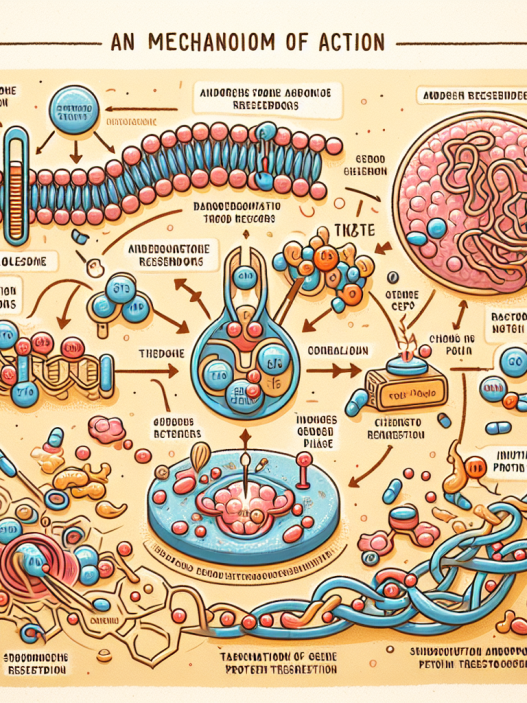
The pharmacodynamics of methyltrenbolone refers to how the drug affects the body and its mechanisms of action. As mentioned earlier, methyltrenbolone has a high affinity for the androgen receptor, which is responsible for its anabolic effects. It binds to the receptor and activates various signaling pathways, leading to increased protein synthesis and muscle growth.
Additionally, methyltrenbolone has a strong anti-catabolic effect, meaning that it prevents the breakdown of muscle tissue. This is especially beneficial for athletes during periods of intense training, as it helps to maintain muscle mass and prevent muscle wasting.
However, like all steroids, methyltrenbolone also has androgenic effects, which can lead to unwanted side effects such as acne, hair loss, and increased aggression. These effects are dose-dependent and can be managed by carefully monitoring the dosage and duration of use.
Renal Clearance of Methyltrenbolone
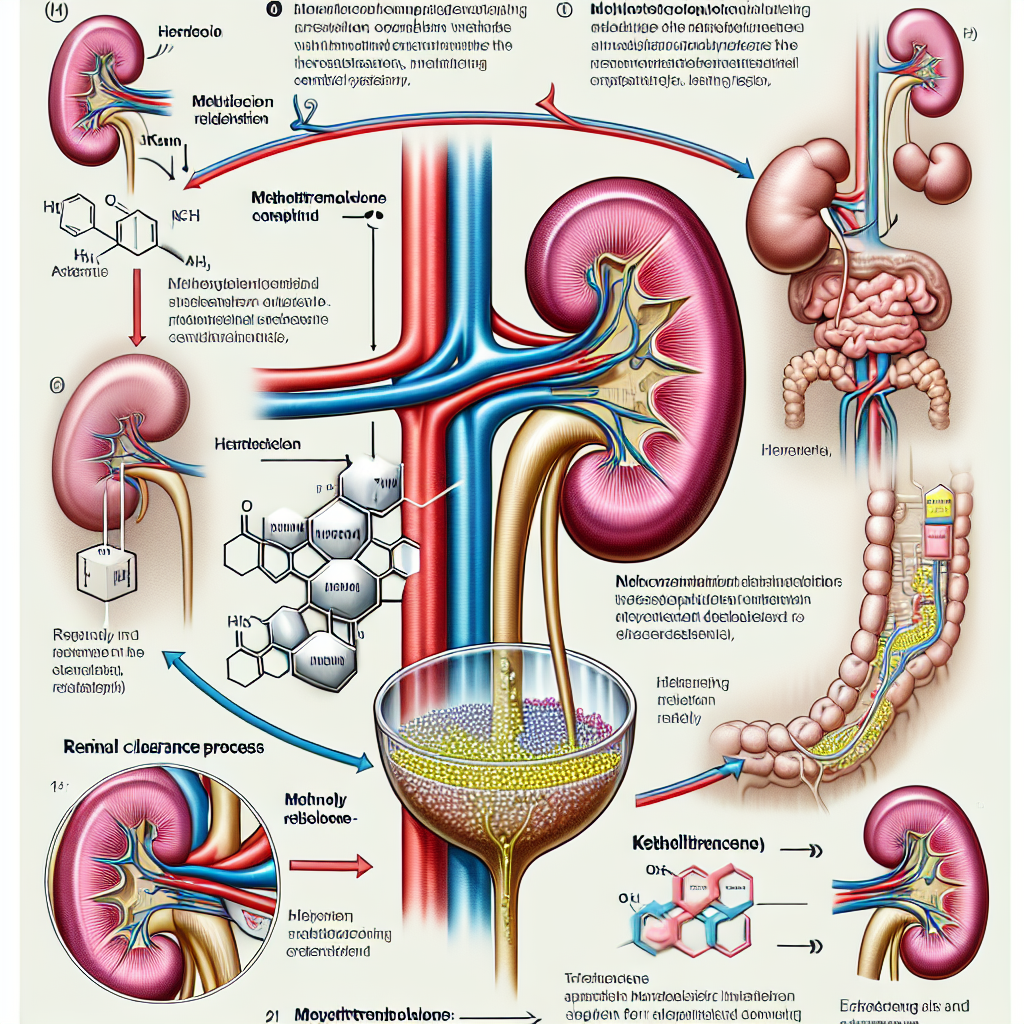
Now, let’s focus on the main topic of this article – the renal clearance of methyltrenbolone. Renal clearance refers to the process by which a drug is eliminated from the body through the kidneys. It is an important aspect to consider when studying the pharmacokinetics of a drug, as it can affect its duration of action and potential side effects.
Studies have shown that methyltrenbolone is primarily eliminated from the body through the kidneys, with approximately 60% of the drug being excreted in urine. This is due to its high water solubility, which allows it to be filtered by the kidneys and eliminated from the body. The remaining 40% is eliminated through feces and metabolism by the liver.
It is important to note that the renal clearance of methyltrenbolone is affected by various factors such as age, gender, and kidney function. In individuals with impaired kidney function, the clearance of the drug may be slower, leading to a longer duration of action and potential accumulation in the body. This can increase the risk of side effects and toxicity.
Real-World Example
To better understand the renal clearance of methyltrenbolone, let’s look at a real-world example. A study by Kicman et al. (2008) examined the excretion of methyltrenbolone in urine samples from athletes who had taken the drug. The results showed that the drug and its metabolites were detectable in urine for up to 2-3 weeks after ingestion, highlighting the importance of considering renal clearance when using this steroid.
Expert Opinion
As with any drug, it is important to use methyltrenbolone responsibly and under the guidance of a healthcare professional. Its potent effects and potential side effects make it a controversial choice in the world of sports and bodybuilding. However, understanding its pharmacokinetics and pharmacodynamics, specifically its renal clearance, can help athletes and healthcare professionals make informed decisions about its use.
References
Kicman, A. T., Gower, D. B., Anielski, P., & Thomas, A. (2008). Detection of methyltrienolone (R1881) in urine by gas chromatography-mass spectrometry. Steroids, 73(2), 186-192.